
Women and Queer in the Art of Sound
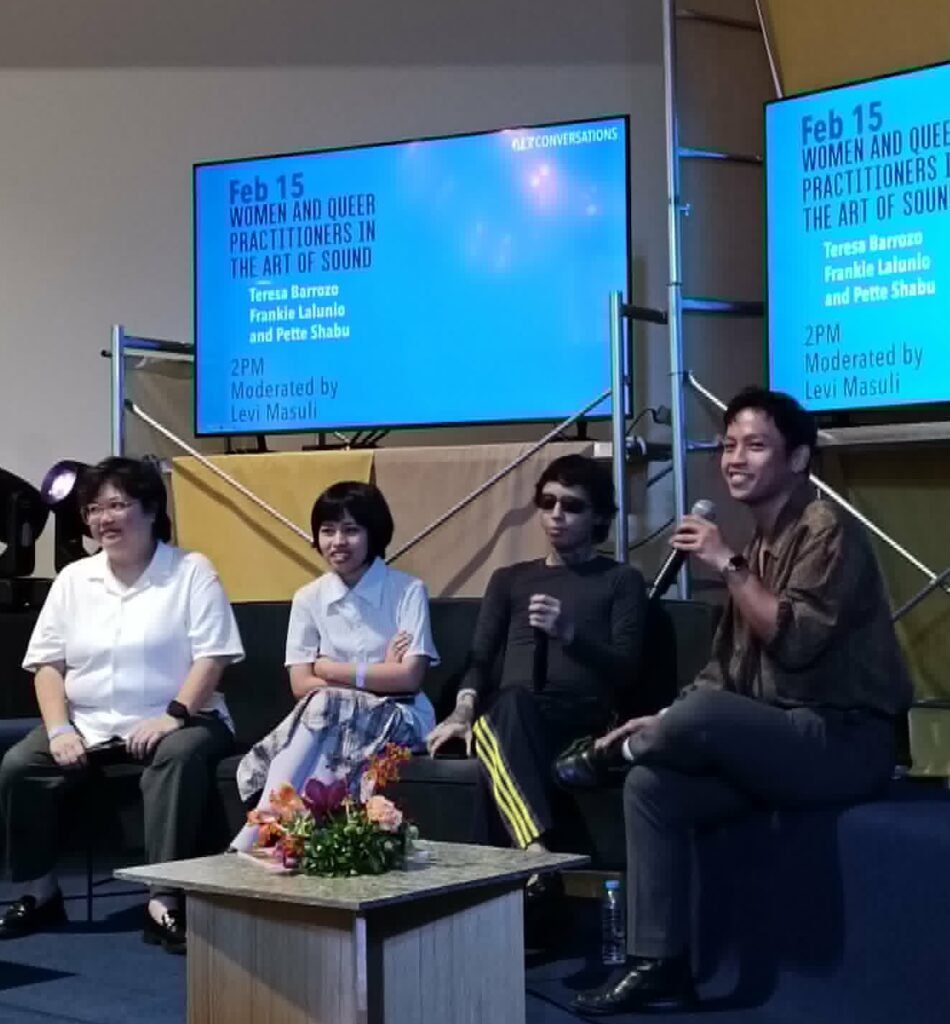
Transcription of a talk under the ALT Conversations public program during ALT Philippines 2026 .
On January 2026, I was commisioned by ALT Philippines through Sam Marcelo to moderate a talk on sound art in the Philippines. I suggested focusing on women and queer in the field, which they fortunately approved.
I would like to thank Lena Cobangbang, Prof. Dayang Yraola, and all other practitioners who shared their thoughts and pointed to me the right direction and helped in shaping this fruitful discussion, especially for a topic that I am interested in but not necessarily part of my lived experience. Of course, huge thanks to Frankie Lalunio, Pette Shabu, and Teresa Barrozo for taking the time to be part of this conversation.
Levi:
Okay, before we start, I’m just going to read the description of the panel for today.
“The history of sound art has largely been written with men at the forefront. Yet women and queer practitioners have been crucial to its development, from the performing stage to the wider work of cultural organizing. For women and queer practitioners in the art of sound, three panelists will speak from their own experiences in sound practice. The discussion will explore the gateways and barriers that shape their paths, their relationships to infrastructures, technologies, and the body, as they navigate and reimagine the field.”
So let us welcome our three panelists for today. Please introduce yourselves and maybe tell us how your journey started.
Pette:
My name is Pette Shabu. I am a rapper. I released my first album back in 2024, Sprak, and it garnered five stars in Rolling Stone. Thank you. Proud ako doon.
When did I start? Actually, if I go way back, it started with creative writing muna. Then during the pandemic, doon na ako nagsulat ng rap. It’s something that I didn’t expect din na gagawin ko. Although my mom is a large influence when it comes to music because she used to bring me sa mga practices niya during her band days. Nagko-choral din siya. She was trained by the composer of Pilita Corrales, and then nag-choir din siya. Hanggang ngayon, nagkakaraoke pa siya araw-araw. Parang in-incorporate ko siya sa writing ko, and I think the music followed.
Frankie:
Hi, I’m Frankie Lalunio. I’m a sound artist. I started my practice back in the pandemic, and then I discovered noise on the internet. Sakto naman, yung tatay ko may naiwan siyang mixer sa bahay. So I started doing no-input noise. Feedbacking ang practice ko, and I make DIY instruments and software. I also have sound sculptures. So yeah, pagdating sa hardware, that’s something very recent.
I also co-organize XPR. XPR is an experimental music platform for sound artists, media artists, and interdisciplinary collaborators. We recently had our fourth edition, which featured Somatosonic and visiting artists from abroad.
Teresa:
Ako po si Teresa Barrozo. Ako po ay isang manggagawa ng sining sa sound and music. May sarili po akong sound practice, pero mahalaga rin sa akin ang pakikipag-collaborate.
Sa pelikula, ako po ay isang film scorer. Ang range ng aking mga pelikula ay from extremely experimental to extremely mainstream. At may pelikula ako next month. [laughter]
I also work in theater. In theater, I do both sound design and music composition. I have collaborations with performance artists. One of them is Sasha Cabalquinto. Another one is Eisa Jocson. Kasama rin ang Filipino Superwoman Band, composed of five women. And with other artists such as Mark Salvatus, I helped out with the sound aspect of his recent work for the Venice Biennale.
I’m interested in sound, and not making sound.
Levi:
So anong ibig sabihin mo doon sa “not making sound,” Teresa?
Teresa:
I was interested in everything else about sound that is not about making sound because there is so much about silence. Sometimes silences ang mas may laman. Di ko siya tinitingnan as a void, but as material.
Mahirap siyang ibenta because I guess people are into making sounds. I’m attracted to the idea of silence because, just like sound, sound is not really tangible. Hindi mo siya nakikita, pero nararamdaman mo siya.
So that’s the idea of playing with absence. But absence, again, is not always about a void. Sometimes iyon yung mas may bigat na dala.
Levi:
Interesting kasi women and queer people, in general, you can say that they are often silenced. They’re not loud in the sense that usually, sa cultural work, sa organizing, hindi masyadong napapansin yung labor ng pakikipag-usap sa ibang tao. Ang nakikita lang natin ay yung nasa stage o nasa gallery.
Teresa:
Exactly.
Levi:
So tingin niyo, paano nase-shape ng identity ninyo ang inyong practice?
Pette:
For me, related talaga yung identity with what I do. Everything that I do. Just like when I’m making music, producing stuff, it should represent me. It should represent the soul.
Parang di ko siya gagawin with another persona that I don’t resonate with. Kasi I only know my truth and my identity and how I navigate the world. Very innate sa akin yung pagkakaroon ng identity. It’s like a compass, actually.
Frankie:
Meron akong experience in a tour that I did last year sa Taiwan. Because I was doing noise, merong female artist sa audience who told me, “You should go louder.”
Natawa ako doon sa contrast between noise and minimizing yourself. So iyon yung naging impetus sa akin for thinking about why I play so carefully. It’s more about choosing when to play or not to play. When to make a sound and when not to make a sound. Kasi silences make the sound more audible.
So I kind of instilled in myself that I’ll play with so much patience. Kunwari, isang knob lang, five minutes na nandito lang, slowly turning, slowly putting it out there.
Parang playing with patience is something that, I guess, my identity brings toward my practice. Kasi uso rin naman yung buong table, ang daming ginagawa. So patience yung gusto kong ma-develop: patience in listening, patience in playing, patience in organizing. I guess pagdating sa gender, kapag medyo male, parang “dapat ako,” ganyan. So grateful ako that I’m surrounded by spaces that taught me that kind of patience; when to go slow, when to be silent.
Teresa:
Dati, akala ko hindi related ang identity. Akala ko, just make something beautiful. Ibigay mo yung kailangan. What sounds beautiful, what looks cool.
Umabot ako sa point ngayon na because of this practice, ayoko na mag-art. Gusto ko na lang maging tao.
Can I just say, I’m not comfortable being here. I’m not dissing art. Buti na lang wala akong gallery. [laughs] No, seriously speaking.
I’m not saying we don’t need art. I am actually asking myself: how is my practice changing me? Kasi pagod na po ako sa art na messianic, na parang, “Panoorin niyo po kami. Tingnan niyo kami.” Ang dali nun eh. Ang safe nun.
Mas mahirap kapag sarili mo na, may salamin sa harap mo. Ang galing natin sa mga talkback, pero pag sarili na nating communities at sarili natin ang pinag-uusapan, doon natin dapat tinatanong: how is our art changing us? How is it influencing us?
Levi:
Interesting kasi yung commonality ninyo ay on the desire and ways to express. Halimbawa, si Pette, yung kung ano ang “totoong siya.” Tapos ikaw, Frankie, ayaw mong mag-subscribe doon sa hyperactive, masculine, to some extent, na tendencies. Tapos si Teresa, parang gusto mo nang umalagwa doon sa production of art-making na tingin mo hindi tumutugma doon sa gusto mo.
Medyo maiba tayo ng topic. Have you ever felt the need to prove technical or artistic competence? What are your strategies for reclaiming or reimagining technology, tools, or your body? Artistic competence?
Pette:
Yes. I think so. I really do care about what I do. Hindi lang siya basta-basta. So I will not devalue it. I will not fall short with it. I’m actually challenging myself to go outside of my comfort zone. So with artistic competence, I think in order for me to achieve that, because I want that for myself, is to actually know myself better para aligned siya, hindi siya disoriented. May pangit at may magandang art.
Frankie:
Very interesting yung na-bring up mo about artistic competence, yung pag-aangkin mo na “art” ang ginagawa mo. Kasi Dayang Yraola writes about how early sound artists would say, “ganyan-ganyan lang ’yan, magti-tinker-tinker lang.” Kaya siguro malaking responsibility or weight ang pag-angkin sa kung anong ginagawa mo. Kasi you really have to pursue artistic competence. Part siya nung when you chose to be an artist, when you chose to be whatever you think you could do. So part siya nung responsibility of artistic competence.
So yes, definitely. Dama ko siya kasi hindi ako trained sa fine arts. Hindi rin ako trained sa museum. So tuwing naghahanap ako ng possible inspirations, pag binabalikan mo yung mga ginawa na before para may idea ka what exactly it is you’re pushing forward, you gain a better understanding of your own practice. I would often use the metaphor of cooking. Hindi naman necessary na chef ka na formally trained, pero dapat at least alam mo kung ano ang sautéing, ano yung ingredients, and how things work together.
Pette:
Of course.
Teresa:
I had to prove artistic competence. Always. Ever since.
Halimbawa, sa college, I studied composition in Diliman. Music composition. I didn’t finish it. But of course, kailangan mong patunayan. Pero ang tanong is, kanino mo pinapatunayan at sino ang magsasabing okay ang ginagawa mo? That’s one.
Nung bata pa ako, kapag napapadala yung piyesa mo sa mga Asian composers’ festivals, parang ibig sabihin magaling ka. A recent story: I had this event with the Asian Cultural Council. It was a gathering celebrating Susie Ibarra. Female composer, sound artist. I just have to name it. Pulitzer Prize winner. Pilipina. Babae.
So may event. Sound ako. Meron akong soundscape doon. So dahil sound, nandun ako sa tech booth. When I came there, dala ko na yung plano kung ano yung gagawin ng speakers, saan sila ilalagay, to serve the soundscape and the needs of the event. So I went there. Alam nila na grantee ako, pinakilala nila ako as part of the event. Tapos yung engineers, yung mga kuya sa booth, were saying, “Hindi, hindi dapat ganyan. Dapat ganito. Hindi puwede yung ganyan.”
Ang hirap i-explain na opo, ito yung kailangan ko, para sa 5.1 kasi, ganito. Hindi ko alam kung ie-explain ko pa ba nang mas detalyado o hindi.
Chika lang ito, pero it always happens. Ayaw ko sanang isipin na about gender. There’s always mansplaining. Nahihirapan ako. Pero at the same time, parang nakakatawa na dapat bang umabot pa ako sa, “Kuya, binigyan po ako ng grant. Pinadala po ako rito.” Kailangan bang umabot pa sa ganoon?
At kapag nagsalita ako, magiging mayabang ako. Kasi kapag babae ang nagsalita, mayabang. Pero kapag lalaki, confident. So it feels like kailangan laging may patunayan.
Another thing is that sound has long been dominated by men. Until now naman, although mas nagbabago na. I was interested in sound art, to perform, and to learn. But even when I had these machines, they didn’t resonate with me so much in the way they seemed to resonate with others who wanted to make those kinds of noise. Which I understood, but at the same time maybe I just had a different perspective on how to use these sound gestures, and not just do this and that.
Eventually, nung mga panahon na naririnig na nila yung pangalan ko, “Ay, may award ’yan. May award ’yan.” Doon ako napansin. Doon ako pinaniwalaan. Kailangan ko pang magka-award. Kailangan maging matunog. Kailangan maging ganito. Kahit hindi pa nila naririnig ang trabaho ko.
Kahit naman tayo, kapag hindi pa natin nakikita o naririnig yung trabaho ng isang tao pero alam nating may award siya, nagbabago ang pakikitungo natin sa kanya. So it is constant, for me, yung pakiramdam na kailangan laging may patunayan.
Levi:
Interesting kasi parang you feel the pressure to excel. Pero si Pette, halimbawa, binanggit niya na ginagamit niya yun to her advantage. Na hindi ako magpapapressure sa inyo.
Pette:
Yeah. Because the amount of work that I do, ginugugol ko talaga yung time ko and I really try to exhaust the capacity that I have. So dapat successful ito. Kung hindi, anong ginagawa natin dito?
Kasi you’re also choosing to release it to people. Yes, it’s for yourself. Kaso nire-release mo siya. So there’s going to be opinions whether it’s good or bad. There’s objectively good and objectively bad. Parang alam mo naman yun, intuitively. And I think the path is straight lang, which is doing good.
Levi:
Last question. How do we redesign spaces, formats, and listening practices? What futures are you trying to sonically build?
Frankie:
Pagdating sa spaces, when you’re playing with sound, your medium is not only time but also space. Kahit na may sound practice na nasa galleries, inevitably kailangan pa rin nito ng space. May tendency talaga ang sound na lumabas sa confines ng isang lugar.
Siguro challenge din iyon sa spaces: how do we think of spaces beyond the white cube, beyond the confines of traditional exhibition formats? Sound really has the nature to get out. There are sound works that you can’t really hang on a wall or put on a pedestal.
Since it plays with space, challenged talaga ang curators, artists, and institutions on how to think beyond it. Sabi nga ni Teresa, tangible siya in the way that you can sense it, pero nangyayari ang sound with or without the visuality of it.
Pette:
Basically, the future is trans. Always persistent on pushing it forward. Because we care so much, right?
Parang nandiyan na yung resources. It’s in front of you, around you, tapos hindi mo pa gagamitin. Hindi naman ako sure kung hanggang kailan ko gagawin ito, but right now parang I’m just seizing the moment. I really appreciate what I see in the moment and what is happening around the world and inside our country. So I just keep reflecting upon it.
Teresa:
Be more inclusive. And when I say inclusive, especially if you’re in a position of power or you’re a decision-maker, whether it’s an arts event or anywhere actually, always ask: “Whose voices are we amplifying?” Are these the same people? Are these the voices that we don’t even have to amplify because they’re already at the forefront?
Because if we continue supporting the same voices, merong mga hindi naririnig, hindi nasusuportahan. And I feel that if we continue doing that, hindi tayo magkakaroon ng tunay na democracy.
Ever since, may mga visionary at may mga operator. At madalas, ang operator ay hindi yung lalaki. Whether it’s a theater group, government office, school, or institution. College years pa lang ako, sa napakaliit naming department, ilan lang ang professors at composition students. Ang chairman madalas lalaki. Kahit yung babaeng professor namin na may PhD, madalas napupunta sa secretariat, sa administrative work, sa mga inuutos.
I’ve seen this in a sound collective before. It’s always the men. Hindi po ito pag-atake sa mga kalalakihan.
Pette:
Puwede rin. [laughs]
Teresa:
Diba? Nagkaroon pa nga ng women’s sound group within that collective. I remember I was part of that. It was called Heresy. But I remember Heresy was under Wasak. And I remember na lalaki pa rin ang nagdidikta kung ano ang gagawin ng Heresy.
Maybe they weren’t aware. Ako rin hindi ako aware noon. I remember sharing my ideas, and I remember hearing, not from the women, but from someone else, “Huwag ’yan. Corny ’yan.” So doon pa lang, for the longest time, I really thought baka nga corny, baka hindi valid yung thoughts ko.
Hindi po ako nakikipag-away. I’m only saying that this exists. Yung pag-invalidate ng ibang voices.
And I think hindi lang ito against women. Against children. Against anyone na wala sa posisyon ng power. We’re not just talking about women. We’re not just talking about trans people. Even yung masa. Everyone.
Nafi-feel niyo ba yung patriarchy, lalo na sa panahon ngayon, globally? Thank you.
This is not just about sound. And that is the nature of sound, guys. You don’t see it. You don’t see it, but it’s happening. It has meaning. It has something to say. So what I’m saying is that there are a lot of things that we do not see, but they are existing. Whether it’s violence or something good, we should be sensitive to those things that we do not see.
Levi:
Thank you, Teresa. Let’s open the floor for questions from the audience.
Pette:
Go, audience.
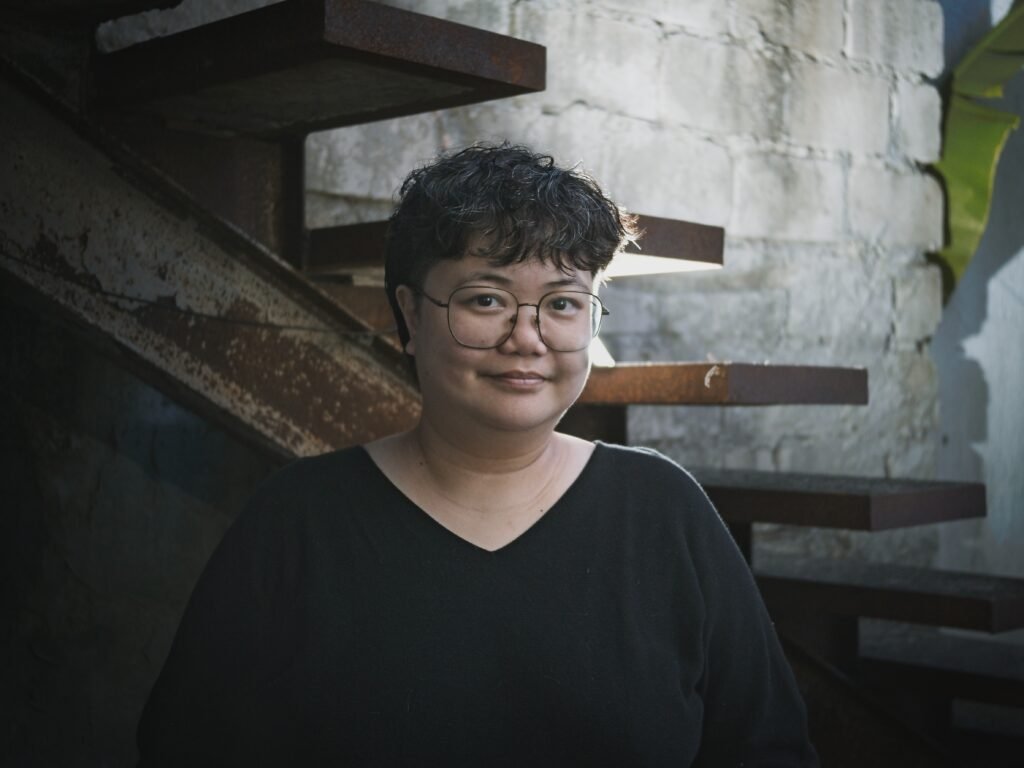
Teresa Barrozo is a sound artist, composer, and “curious listener” known for her extensive work in film, theater, and performance arts. Her compositions have graced the Asian Composers League Festivals (Japan, Thailand), Asia-Pacific Weeks (Germany), and Sonic Matter Festival (Switzerland). Films featuring her scores have earned recognition at prestigious international festivals including Cannes, Venice, Toronto, Locarno, and Berlin. Her film music was showcased at the 50th Anniversary of the World Soundtrack Awards in Belgium, a collaboration with renowned director Jia Zhangke. Barrozo’s contributions have earned her the Ani ng Dangal Award from the Philippines’ National Commission for Culture and the Arts. In 2014, she became an Asian Cultural Council fellow in the USA, where she delved into sound art and design, performance, and contemporary sonic practices. She has also participated in the Biosphere Soundscape International Internship Program in 2016. Her music+sound score was featured at the Philippine Pavilion during Expo 2020 Dubai, UAE.
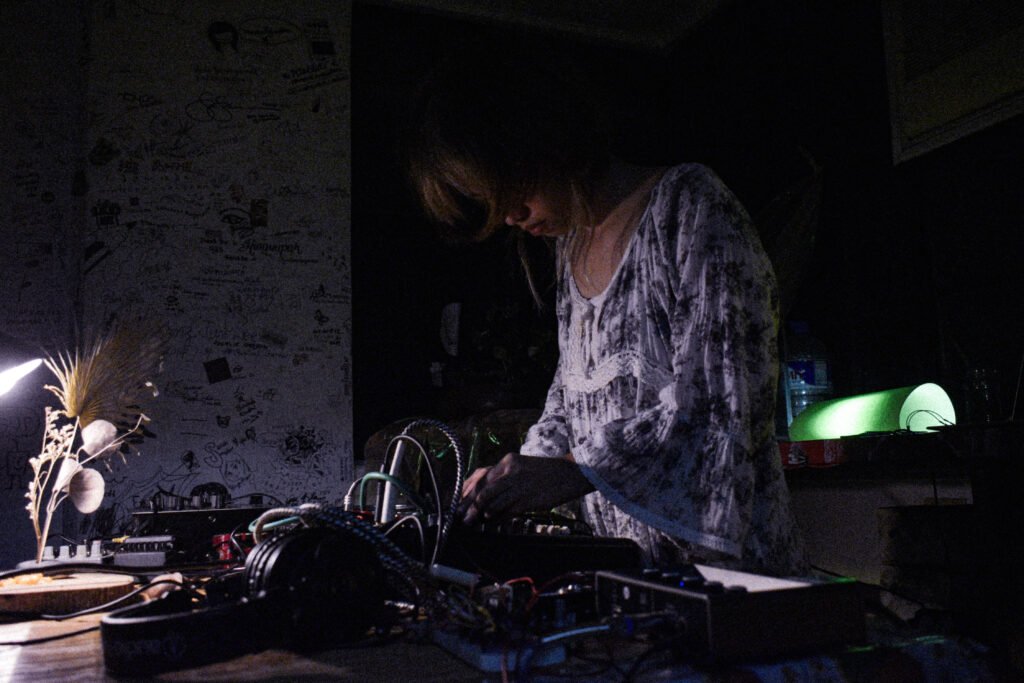
Frankie Lalunio (aka Mudskipper) is a sound and new media artist. Their work and performances inquire at the fringes of the harsh and supple / the organic and the machine through feedbacking techniques, hand-coded digital works, DIY electronics, and field recordings. As a cultural worker, they organize experimental-crossing-sensory and new media platforms under artist-run space 98B COLLABoratory.
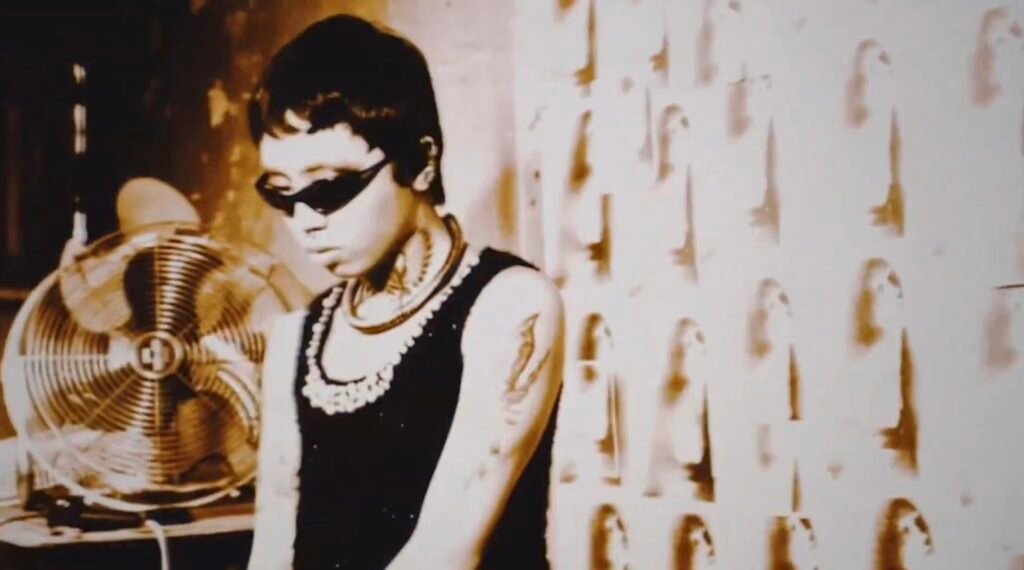
Pette Shabu is a rapper, songwriter, and DJ from Quezon City, Philippines. Shabu was born and nurtured within the queer nightlife scene, which became a vital stage for her evolution. Deeply influenced by the underground electronic scene, Pette embraces experimentation beyond the boundaries of hip-hop, weaving together diverse influences to create a sonically expansive and dynamic body of work. She released her independent debut studio album SPRAK, 13-track experimental DIY rap album pulls from punk, hip-hop, rave, and ballroom cultures, blending genres through unconventional structures and relentless energy, which earned a perfect five-star review from Rolling Stone Philippines.